Brew Perfection: Secrets to Making Coffee That Tastes Like a Barista Made It
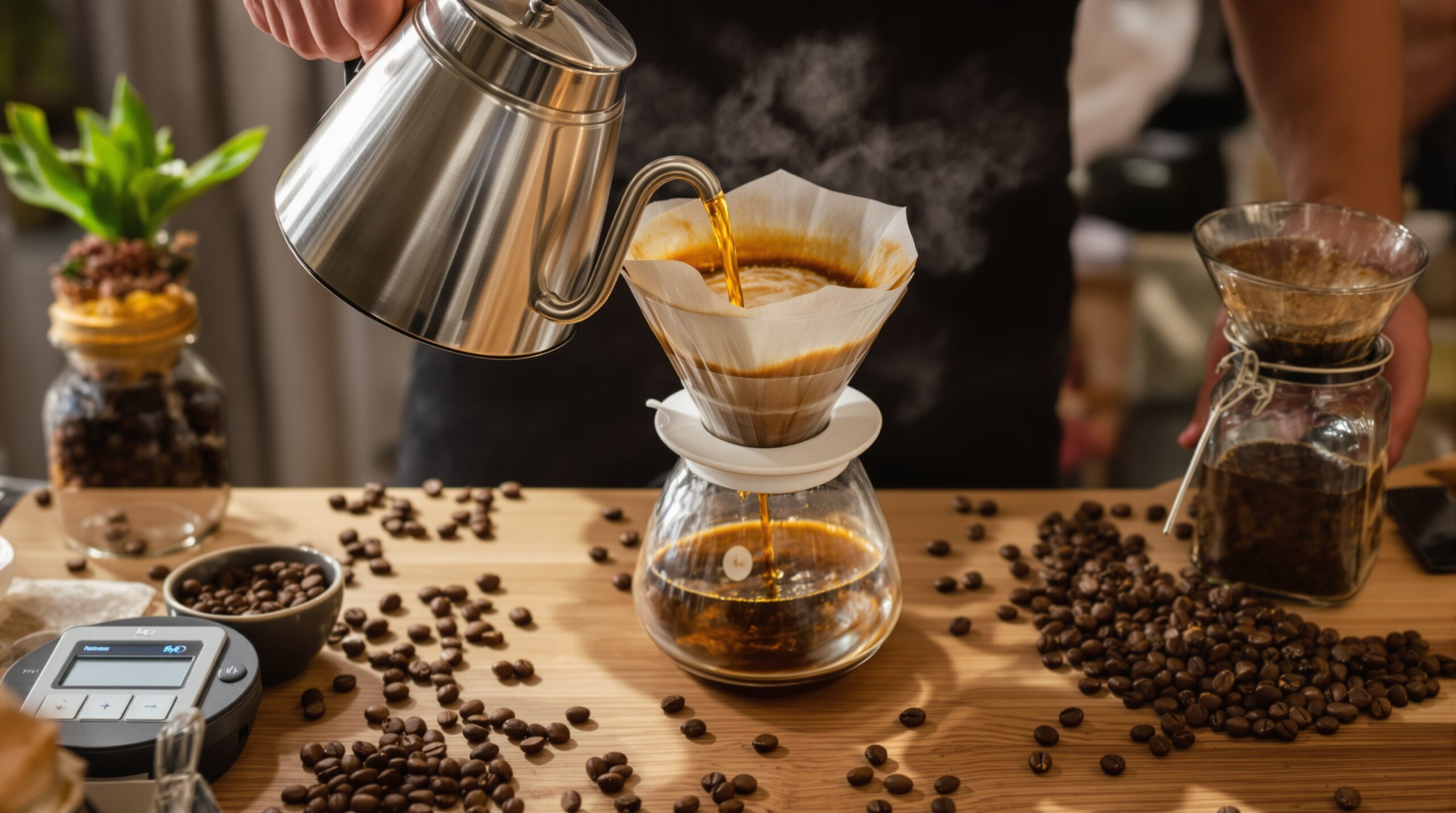
The Art of Making Perfect Coffee
You can make incredible coffee at home. The difference between okay and unforgettable coffee is often a handful of small, intentional choices. This guide walks you through those choices — from bean to cup — with practical steps, recipes, and troubleshooting so your next brew actually tastes like coffee shop magic.
Start with the right beans
- Buy fresh, whole beans. Coffee loses flavor quickly after grinding. Buy in small quantities (1–4 weeks’ worth) and grind just before brewing.
- Look for a roast date, not an arbitrary “best by”. Peak flavor is usually 3–21 days after roast for many methods (espresso slightly longer for degassing, pour-over sooner).
- Choose single-origin for clarity of flavor, blends for balance. Light roasts highlight origin notes; medium roasts balance acidity and body; dark roasts emphasize chocolatey, smoky notes.
Grind size matters
- Grind determines extraction. Too fine = overextracted (bitter); too coarse = underextracted (sour, thin).
- General grind guide:
- Espresso: very fine (powdery)
- AeroPress / Moka pot: fine-medium
- Pour-over (V60, Chemex): medium-fine to medium
- French press / cold brew: coarse
Invest in a good burr grinder. It gives consistent particles and predictable results.
Water: the often overlooked ingredient
- Use clean, filtered water. Coffee is about 98% water — its quality matters.
- Ideal brewing temperature: 92–96°C (197–205°F). Too hot extracts bitter compounds; too cool leaves coffee sour or flat.
- Target mineral content roughly 75–150 mg/L total dissolved solids (TDS). Most home users do fine with good tap or filtered water.
Ratios and timing: the backbone of repeatable coffee
- Standard starting ratio for drip/pour-over: 1:15 to 1:17 (1 g coffee : 15–17 g water). Try 1:16 as a baseline.
- French press: 1:12 to 1:15 for fuller body.
- Espresso: brew ratio often 1:1.5 to 1:2.5 (e.g., 18 g in -> 36 g out) in ~25–30 seconds.
- Cold brew: 1:4 concentrate (by weight) then dilute to taste, or 1:8 for ready-to-drink extraction.
Timing examples:
– Pour-over total brew time: 2:30–3:30 minutes (depends on technique and filter).
– French press steep: 4 minutes, then plunge.
– AeroPress: 1–2 minutes depending on recipe.
Brewing methods and quick recipes
Pour-over (V60 / Kalita Wave / Chemex)
– Grind: medium-fine to medium.
– Ratio: 1:15–1:17.
– Method: rinse filter, add coffee, bloom with twice the coffee weight in water for 30–45s, then pour slowly in concentric circles until target weight.
– Total time: ~2:30–3:30.
French press
– Grind: coarse.
– Ratio: 1:12–1:15.
– Method: add coffee, pour hot water, stir, steep 4 minutes, plunge gently, serve immediately to avoid overextraction.
Espresso (home machine)
– Dose: 18–20 g (typical double shot) / Yield: 36–40 g / Time: 25–30s.
– Grind: very fine; tamp level and consistent puck important.
– If shot is fast and sour, grind finer or increase dose; if slow and bitter, grind coarser or reduce dose.
AeroPress (versatile)
– Try the 1:16 ratio for drip-like, or inverted methods for richer cups.
– Typical: 15–18 g coffee, 220–240 g water, steep 1–2 minutes, press gently.
Cold brew
– Coarse grind.
– Ratio: 1:4 concentrate (steep 12–20 hours at room temp or refrigerated), then dilute 1:1 to taste.
Moka pot
– Grind: fine (not espresso-fine).
– Fill bottom with hot water to the valve, add coffee to basket, brew on medium heat. Avoid boiling aggressively.
Milk, texture, and simple latte art
- Steam milk to 60–65°C (140–149°F) for sweet, velvety texture.
- Aim for microfoam: glossy, small bubbles, silky mouthfeel.
- Technique: purge wand, position wand tip near surface to introduce small air for a few seconds, then submerge to heat. Swirl pitcher to integrate.
- Basic latte art starts with a steady base pour into the center then move to create hearts or rosettas. Practice with milk-only first.
Tasting and dialing in
- Use your palate: coffee should balance acidity, sweetness, and body.
- Flavors to watch for: fruity/citrus (bright acidity), floral/tea-like (delicate), nutty/chocolate (balanced sweetness), smoky/burnt (overroasted/overextracted).
- Keep a brew log: date, beans, roast date, dose, grind setting, ratio, temperature, yield/time, tasting notes. Small changes reveal patterns.
Troubleshooting quick guide
- Sour or weak: underextracted. Try finer grind, higher temperature, longer contact time, or increase dose.
- Bitter or hollow: overextracted. Try coarser grind, lower temperature, shorter brew time, or reduce dose.
- Muddy or heavy in French press: too fine a grind or oversteeped; use coarser grind and shorter steep.
- Fast espresso shot (<20s) that tastes sour: grind finer, increase dose, or tamp firmer.
Clean, store, and sustain
- Clean equipment regularly; old oils and residue ruin flavor.
- Store beans in an airtight container at cool room temperature; avoid the fridge/freezer for daily beans (unless storing long-term).
- Consider sustainable choices: buy from roasters with transparent sourcing, choose recyclable or compostable filters, and minimize single-use pods.
A few recipes to try
- Classic iced coffee: brew strong 1:12, chill, pour over ice, dilute to taste, add milk or syrup.
- Vietnamese-style: 20 g dark roast, 40–60 g brewed coffee through a phin, poured over condensed milk; stir and serve hot or over ice.
- Simple flat white: espresso double shot + 150–180 ml microfoamed milk; pour to create a velvety finish.
Quick cheat sheet (print and tape to your counter)
- Water temp: 92–96°C
- Pour-over ratio: 1:16
- French press ratio: 1:12
- Espresso dose/yield: 18 g -> 36 g in ~25–30s
- Bloom time (pour-over): 30–45s
- French press steep: 4 min
- Cold brew steep: 12–20 hrs
Final thought
Perfect coffee is less about a single trick and more about consistent care: fresh beans, a consistent grind, clean water, correct temperature, and keeping notes. Start with the baseline ratios and techniques here, taste deliberately, and adjust one variable at a time. In a few weeks you will notice dramatic improvements — and likely feel a little proud every morning.
Happy brewing!






Post Comment